Common Problems
When a person's teeth or jaws do not fit together properly, orthodontic treatment may be necessary to correct the problem. If left untreated, these orthodontic problems, often referred to as malocclusion, can cause speech difficulty, premature wear of the teeth and protective enamel, and even increase the chance of injury to the teeth and jaw joints.
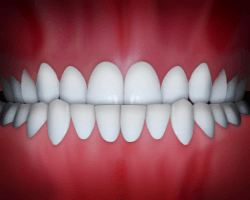
Under Bite
An under bite is characterized by the lower jaw extending too far out, causing the lower front teeth to sit in front of the upper front teeth.
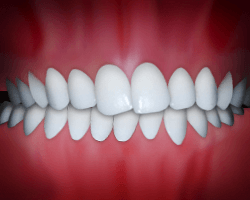
Crossbite
This malocclusion occurs when the upper teeth sit inside the lower teeth, which may cause tooth stratification and misaligned jaw growth. In order to close the mouth, patients usually move their lower jaw forward or to the side when closing. This incorrect bite results in an improper use of the lower jaws and sometimes brings about facial asymmetry.
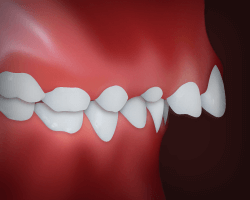
Upper Front Teeth Protrusion
The appearance and function of your teeth are impacted by this type of bite. It is characterized by the upper teeth extending too far forward or the lower teeth not extending far enough forward.
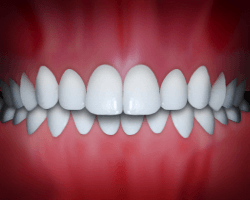
Overbite
The upper front teeth extend too far out over the lower front teeth, sometimes causing the lower front teeth to bite into the roof of the mouth. Problems often associated with an overbite include a "gummy" smile, protruding lips and excessive incisor wear.
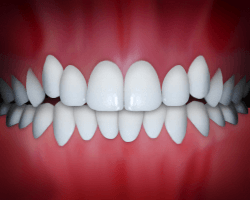
Crowding
Crowding occurs when teeth have insufficient room to erupt from the gums. It is the most common reason for braces. Not only is crowding unattractive, but it has also been linked to periodontal problems and dental decay because it is harder to clean overlapping teeth's surfaces.
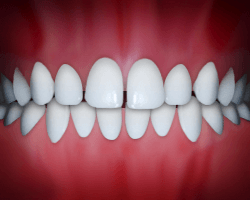
Spacing
Spacing problems may be caused by missing teeth, or they may only be a cosmetic or aesthetic issue. Spacing is another popular reason for braces. The opposite of crowding, spacing is most commonly caused by excessive jaw room for the size of the erupting teeth.
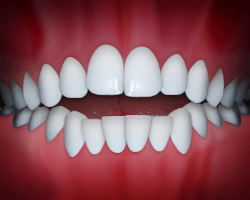
Open Bite
Proper chewing is impacted by this type of bite, in which the upper and lower front teeth do not overlap. Open bite may cause a number of unwanted habits, such as tongue thrusting or thumb sucking. An early evaluation and intervention is essential in correcting an open bite.
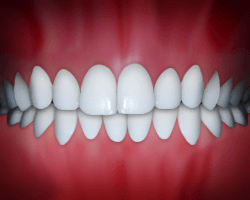
Dental Midlines not Matched
Dental midlines that do not match are evident when the back bite does not fit and match appropriately. This may negatively impact jaw function and proper dental function.
Recent Posts
Common Problems
Instead of focusing on "problems", we focus on possibilities. Discover common alignments we routinely transform and unlock the future of your smile.
Maintaining Your New Smile
Your new smile is a masterpiece in progress. Learn innovative techniques to keep your teeth and appliances pristine during your journey.
Navigating Unexpected Setbacks
Even the best-designed plans can have hiccups. We built this resource so you know exactly what to do if your appliance needs an unexpected adjustment.

